How to Host a Plastic-Free Afternoon Tea – British Style
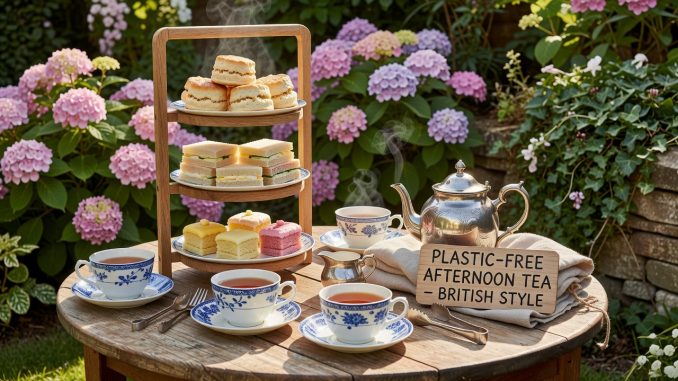
There’s something quintessentially British about sitting down for afternoon tea. The clink of fine china, the steam rising from a freshly brewed pot, and a tiered stand laden with delicate sandwiches, warm scones, and dainty pastries. But in our modern world, a traditional tea spread can quickly become wrapped in plastic – from individually packaged biscuits to cling-film-covered platters. The good news? Hosting a plastic-free afternoon tea is not only achievable, it actually enhances the experience. Here’s how to do it the traditional British way, without the waste.
Why Go Plastic-Free for Afternoon Tea?
Beyond the obvious environmental benefits, removing plastic from your tea party forces you to slow down. You’ll choose real ingredients, use reusable tableware, and focus on presentation that relies on natural beauty rather than disposable packaging. The result feels more authentic, more elegant, and far more satisfying.
Start with the Star: Loose-Leaf Tea
The heart of any afternoon tea is, of course, the tea itself. Those little pyramid-shaped plastic teabags might be convenient, but they’re a major source of microplastics. Instead, embrace loose-leaf tea. It tastes better, creates less waste, and gives you the chance to offer a variety of blends.
Choose a classic English breakfast, a fragrant Earl Grey, or perhaps a light Darjeeling. Place the leaves directly into a warmed teapot – ceramic or stainless steel, both plastic-free. Use a tea cosy to keep it hot, and provide a small strainer for each cup. Your guests will appreciate the ceremony, and you’ll avoid the plastic packaging that comes with most teabags.
The Perfect Table Setting: Zero Plastic
Forget paper napkins with plastic wrapping, disposable cups, or plastic-coated plates. The British afternoon tea tradition is built on proper tableware. Use:
- Ceramic or porcelain teacups and saucers (charity shops are goldmines)
- Real cutlery (silver or stainless steel)
- Cloth napkins (linen or cotton, washed and reused)
- A cake stand – metal or glass, no plastic tiers
If you need decorations, opt for compostable decorations. Think fresh flowers from the garden or market, sprigs of herbs, or bunting made from leftover fabric. Avoid balloons, glitter, or plastic confetti entirely.
Build a Sandwich Spread Sans Plastic
Classic afternoon tea sandwiches – cucumber, egg and cress, smoked salmon – are easy to make without any plastic wrappers. Buy fresh bread from a local bakery (bring your own cloth bag) and fillings from bulk or unpackaged sources. Butter can be bought in a block wrapped in paper; cheese and ham from a deli counter using your own containers.
Slice the sandwiches just before serving and arrange them on a large platter. No need for cling film – just place a slightly damp cloth napkin over them if you need to keep them fresh for a short time. Use toothpicks made of bamboo or wood (compostable) to secure any stacked layers.
Homemade Scones – The Undisputed Highlight

No afternoon tea is complete without scones. And nothing beats homemade scones for taste and sustainability. They’re surprisingly simple to make with just flour, butter, sugar, milk, and baking powder. All ingredients can be bought in bulk or in paper/glass packaging.
Serve them with clotted cream (look for it in a glass jar) and high-quality jam (from a local producer who uses glass jars). Your guests will notice the difference. Plus, you’ve eliminated the plastic tubs and wrappers associated with shop-bought scones. If you have leftovers, store them in a beeswax wrap or a cotton bag.
Sweet Treats Without the Wrapper
Instead of individually wrapped chocolate éclairs or plastic-packaged cakes, make your own or buy from a local bakery that uses cardboard boxes (and ask them to skip the plastic window). Bake a Victoria sponge, some lemon drizzle slices, or mini fruit tarts. Use seasonal fruit, which requires no packaging at all. Arrange them on your cake stand directly – no doilies needed (unless they’re compostable or reusable).
Drinks Beyond Tea
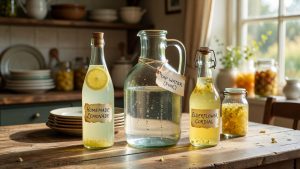 Offer water in a glass jug (tap water is fine) and perhaps some homemade lemonade or elderflower cordial stored in glass bottles Offer water in a glass jug (tap water is fine) and perhaps some homemade lemonade or elderflower cordial stored in glass bottles. Avoid single-use plastic bottles for soft drinks. A jug of cold milk (from a reusable glass bottle) is a perfect accompaniment to the tea.
Clean Up the Waste-Free Way
After the party, any food scraps (like eggshells or fruit peels) go into your compost bin. Cloth napkins get washed. Empty jars are rinsed for reuse or recycling. The compostable decorations – flowers, herbs, bamboo skewers – can be added to the compost heap or left to biodegrade. Your only waste should be a small amount of loose-leaf tea leaves (great for the garden) and any truly non-recyclable items, which should be minimal.
A Final Toast
Hosting a plastic-free afternoon tea isn’t about perfection – it’s about intention. By choosing loose-leaf tea, baking homemade scones, and decorating with compostable decorations, you honour the tradition while caring for the planet. Your guests will leave not only with a full stomach and a happy heart, but with a renewed appreciation for mindful hospitality. So put the kettle on, dust off your best china, and enjoy a truly sustainable slice of British heritage.