
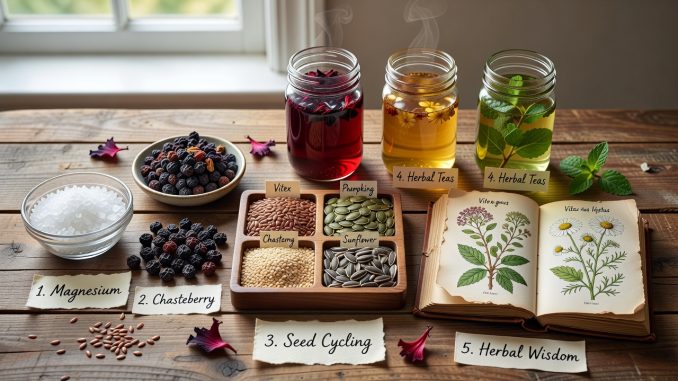
5 Natural Remedies for PMS (That Actually Work)
For millions of women, the days leading up to their period are a predictable cycle of bloating, irritability, cramps, and fatigue. While conventional painkillers offer temporary relief, many are turning to natural remedies for PMS that target the root hormonal imbalances. If you are tired of just managing symptoms, these five evidence-backed approaches can genuinely shift how you feel each month.
1. Magnesium: The Mineral That Calms Cramps and Mood
Magnesium is arguably one of the most powerful natural tools for PMS relief. A deficiency in this essential mineral is linked to increased muscle tension, headaches, and irritability—all hallmark symptoms of PMS.
How it works: Magnesium helps relax smooth muscle tissue, which explains why it can reduce the severity of menstrual cramps. Additionally, it supports the production of serotonin, the brain’s “feel-good” neurotransmitter, helping to stabilise mood swings and reduce anxiety.
Practical tips:
- Food sources: Dark leafy greens, almonds, pumpkin seeds, and dark chocolate.
- Supplement form: Magnesium glycinate is gentle on the stomach and highly absorbable.
- Epsom salt baths: Soaking in magnesium-rich salts before bed can ease muscle tension and promote sleep.
Many women find that taking 200–400 mg of magnesium daily from ovulation until their period makes a noticeable difference in their overall PMS experience.
2. Chasteberry (Vitex): The Hormone Balancer
Chasteberry, also known as Vitex agnus-castus, is one of the most studied herbal remedies for PMS. Unlike quick fixes, chasteberry works slowly by gently influencing the pituitary gland.
How it works: Chasteberry increases progesterone levels while decreasing prolactin. This is crucial because many PMS symptoms stem from a relative oestrogen dominance and low progesterone. By improving the delicate balance between these hormones, chasteberry can alleviate breast tenderness, mood swings, and bloating.
Practical tips:
- Consistency is key: It can take 2–3 menstrual cycles to see full benefits.
- Dosage: Standardised extracts of 20–40 mg daily are common.
- Best for: Women whose PMS includes breast pain, irritability, and fluid retention.
If you are on hormonal contraception or have certain gynaecological conditions, consult an herbalist or doctor before starting chasteberry.
3. Seed Cycling: A Gentle Food-Based Approach
Seed cycling is a dietary practice that aligns specific seeds with the two phases of the menstrual cycle. It is gaining popularity as a gentle, food-first way to support hormonal balance.
How it works: The idea is that certain seeds provide nutrients that either support oestrogen metabolism (in the first half of the cycle) or promote progesterone production (in the second half). While the science is still emerging, many women report fewer PMS symptoms after a few months.
The seed cycling protocol:
- Days 1–14 (from period start to ovulation): 1 tablespoon each of flaxseeds and pumpkin seeds daily. These are rich in lignans and zinc, which help manage oestrogen.
- Days 15–28 (ovulation to next period): 1 tablespoon each of sesame seeds and sunflower seeds daily. These provide zinc and selenium, nutrients involved in progesterone production.
Sprinkle them on oatmeal, add to smoothies, or eat them raw. Seed cycling is safe, inexpensive, and easy to incorporate into your daily routine.
4. Herbal Teas: Comfort in a Cup
A warm cup of tea is more than just a comforting ritual; specific herbal teas can actively reduce PMS symptoms. The key is choosing the right blend for your particular complaints.
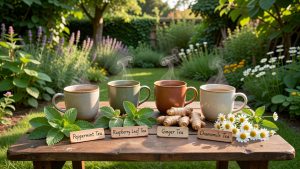 Best herbal teas for PMS:
- Chamomile: Known for its calming properties, it can ease anxiety and improve sleep quality during the premenstrual phase.
- Ginger tea: A powerful anti-inflammatory that can reduce the severity of menstrual cramps and nausea.
- Peppermint tea: Excellent for relieving bloating and digestive discomfort often associated with PMS.
- Raspberry leaf tea: Traditionally used to tone the uterus and reduce heavy cramping.
Drinking 2–3 cups of herbal tea daily, especially in the week before your period, can provide gentle, cumulative relief.
5. Evening Primrose Oil (Bonus Remedy)
Though not part of your keywords, no list of natural PMS remedies is complete without mentioning evening primrose oil. It is rich in gamma-linolenic acid (GLA), an essential fatty acid that helps regulate inflammatory prostaglandins.
How it works: By reducing inflammation, evening primrose oil is particularly effective for breast tenderness and water retention. Many women also find it helpful for mood stability.
Practical tip: Take 1,000–1,500 mg daily from mid-cycle until your period begins.
A Gentle Note on Finding What Works
PMS is not a one-size-fits-all condition. Your symptoms—whether they are primarily physical cramps, emotional mood swings, or overwhelming fatigue—should guide your choice of remedies.
Start with one natural intervention, such as increasing magnesium or adding a cup of chamomile tea each evening. Observe how your body responds over two cycles. Then, layer in another approach like chasteberry or seed cycling.
Natural remedies for PMS require patience and consistency, but for many women, they offer a sustainable path to feeling calmer, more balanced, and in control of their monthly cycle.